Mexico offers some incredible nature and wildlife tours that don’t feel staged or touristy. If you’ve got a thing for animals or just want to spend time outdoors, spots like Sian Ka’an Biosphere Reserve near Tulum will blow you away. It’s a private world of jaguars, crocodiles, and hundreds of bird species that’s still pretty quiet compared to Cancun or Playa.
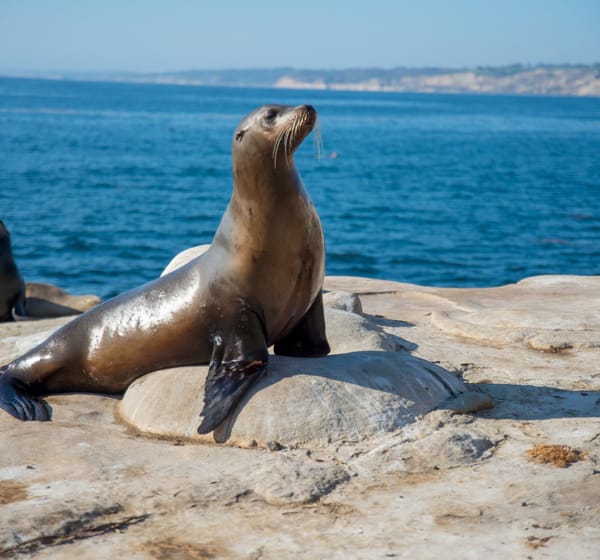
On the Pacific coast, head to the Sea of Cortez around Baja California where you can swim with gentle whale sharks or spot playful sea lions. One surprising tip? Try visiting the Monarch Butterfly reserves in Michoacán around February or March when the butterflies stack up like living orange blankets,it's worth the chilly mornings.
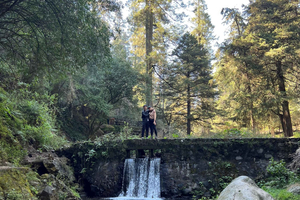
Don’t overlook smaller trips either. Just outside Mexico City, the Ajusco National Park has cool pine forests and lots of birdwatching that locals don’t crowd. And if you’re into night tours, some guides near Puerto Vallarta offer chance encounters with fireflies or even whale watching after sunset. Trust me, you’ll get more out of it if you chat with the guides beforehand and ask about the recent animal sightings,they usually have the best inside info.
🌍 Part of the My Guide Network180+ destinations worldwide
If you’re planning a nature tour in Mexico, skip the big group tours. Smaller, local outfits usually give a better experience,you get more personalized attention, and they know the secret animal spots that don’t show up on maps.
For instance, in Sian Ka’an, I once tagged along with a guide who took us to a remote lagoon where wild flamingos hang out early in the morning. It’s quiet, peaceful, and way less touristy than the usual stops around Tulum. Also, bring cash,many places don’t take cards, and tips go directly to guides who often work hard to support conservation.
Frequently Asked Questions
Got questions about Mexico’s nature tours? Here’s what I hear most often.
That really depends on what you want to see. For example, monarch butterflies swarm Michoacán in late winter, while whale sharks gather off the Yucatán coast around summer. If you’re after birds, spring and fall migrations are great. Just ask a local guide to nail down the seasonal hotspots during your visit.

Absolutely, but it depends on the type of tour. Gentle boat rides through mangroves or walking tours in protected areas like Sian Ka’an are usually family-friendly. Some spots can get rough or involve long hikes, so check the difficulty level first. Kids tend to love spotting animals, just bring snacks and water!
Most responsible guides in Mexico take conservation seriously, especially in biosphere reserves and protected parks. Many tours limit group sizes and avoid disturbing animals. Still, it’s smart to ask before booking , see if they support local communities or conservation projects; that’s usually a good sign.
No, whale watching seasons vary. The gray whales show up around Baja California from December through March. Humpbacks are more common in the Pacific and some parts of the Gulf from late winter into early spring. Outside those months, your chances slim down, but dolphin watching is often possible year-round.
Mostly yes, as long as you stick with reputable guides who know the animals’ behavior. Mexico’s natural parks have rules about how close you can get, especially with large animals like crocodiles or jaguars, so they’ll keep you safe. And honestly, the animals tend to avoid people if you give them their space.
Basic outdoor stuff usually does the trick: comfy shoes, sun protection, insect repellent. If the tour involves snorkeling, most operators provide gear but you can bring your own. Binoculars are a good idea if you’re into birdwatching or spotting wildlife from a distance.