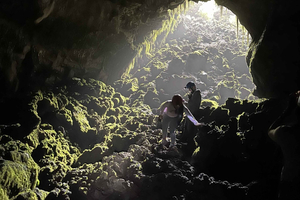
Ziplining in Mexico isn’t just about flying through the treetops; it’s about feeling that rush deep down while surrounded by jaw-dropping nature. Places like the zipline park near Valle de Bravo are legendary here – the views of the lake from mid-air are something else. And if you’re near the Yucatán, some caves aren’t just for walking through,they’re for crawling, climbing, and sometimes even swimming. The Sistema Ox Bel Ha is a dream if you’re into underground explorations, even if it might make you a little nervous at first.

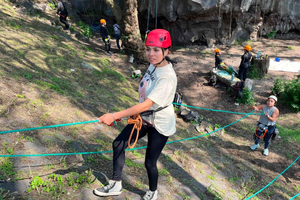
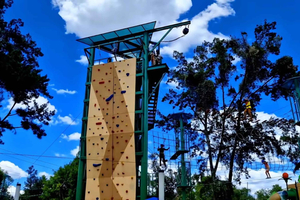
Ropes courses can feel like a throwback to that childhood playground mixed with a challenging workout, but in Mexico, the ones around Puebla or near Tulum tend to have a cool mix of natural and man-made courses that test your balance and nerves. A local tip? Go early in the day to avoid the afternoon heat and snag the best light for photos. And don’t skip bringing a light jacket for the caves , temperatures drop way more than you’d expect. The climbing gear is usually provided, but double-check what’s included so you’re not caught off guard.
🌍 Part of the My Guide Network180+ destinations worldwide
If you want a real standout spot for ziplining, check out the Adventure Park in Copper Canyon (Barranca del Cobre). The lines here are some of the longest in the world, and the views are insane, especially at sunset.
For caving, don’t overlook the less famous but incredible Grutas de Tolantongo in Hidalgo. The warm mineral pools inside the caves make a perfect reward after crawling through tight spaces. And if ropes courses sound tempting but crowded parks aren’t your vibe, try one of the smaller eco-communities near Ajijic,they have sincere, low-key setups that feel way more personal.
Frequently Asked Questions
Got questions about ziplining, ropes, and caving in Mexico? Here are some answers.
Most places in Mexico have very strict safety standards, especially popular spots like Valle de Bravo or Puerto Vallarta. They’ll give you a thorough safety briefing and gear check. Just listen closely, and don’t rush,it’s easier than you think, even if it looks intimidating at first.
Dry season, from November to April, is your best bet. The caves can flood during the rainy season, making some of the routes unsafe or closed. Plus, less mud means a way less messy adventure.
You don’t have to be an athlete, but some basic agility and balance help a lot. Most courses have different levels, so you can take it slow or push yourself. If you’re ever unsure, ask the guides,they’re super friendly and want you to have fun.
Depends on where you are and how much time you have, but usually it’s better to spread them out. Some cave systems need a full day to explore properly, while ziplining parks usually don’t take more than a few hours.
Yes, especially in parts of the Yucatán like Sistema Dos Ojos. It’s not for everyone, so check in advance. If you’re not a strong swimmer, stick to the dry parts or book a guided tour with options.
Most places provide all necessary gear like harnesses and helmets, but for caves, a good headlamp and sturdy shoes of your own go a long way. And if you have gloves, those can save your hands on ropes courses.