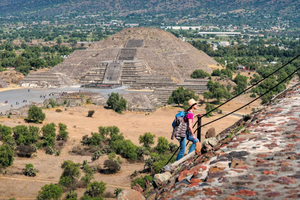
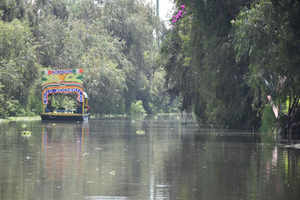
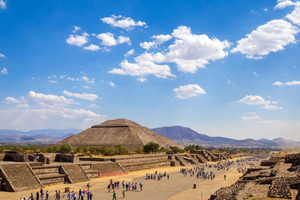
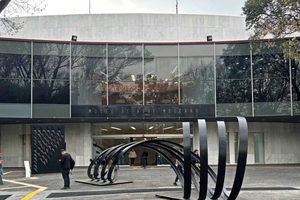
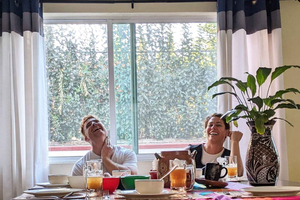
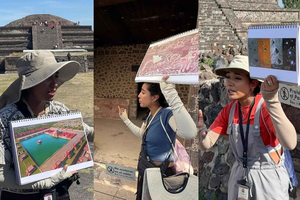
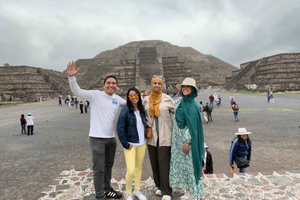
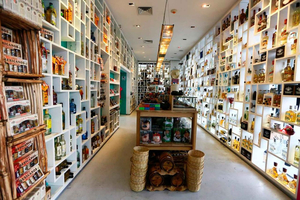
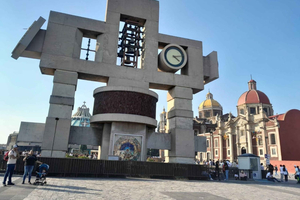
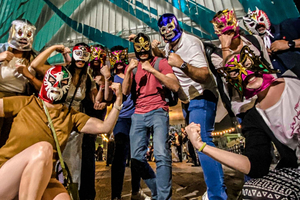
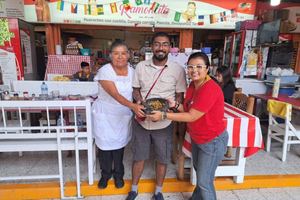
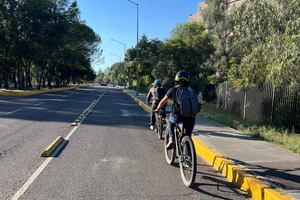
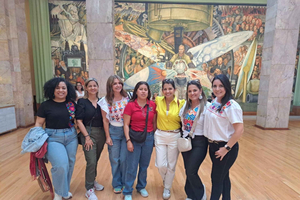
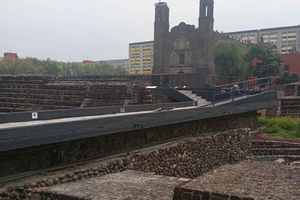
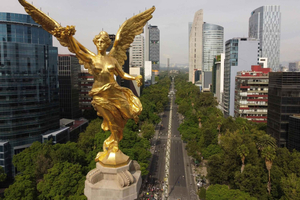
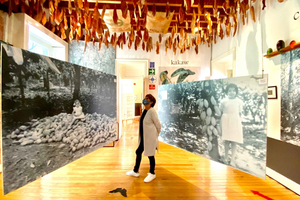
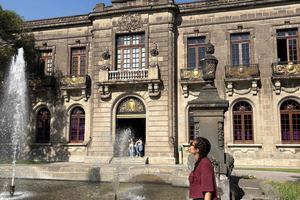
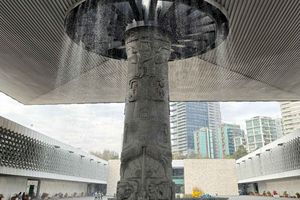
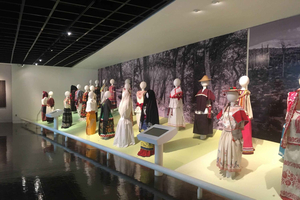
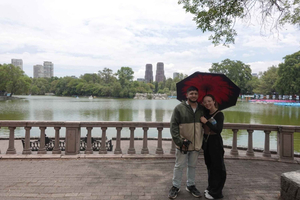
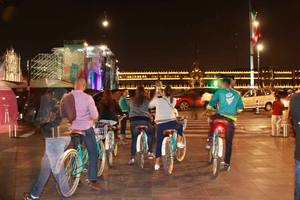
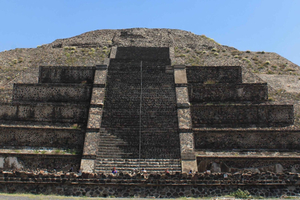
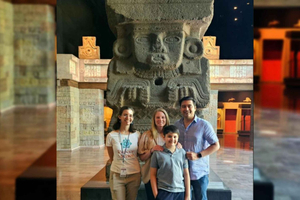
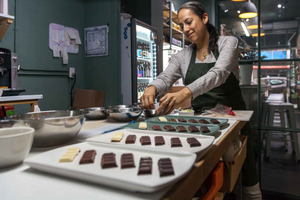
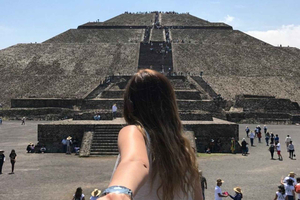
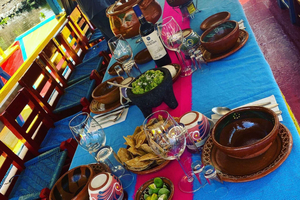
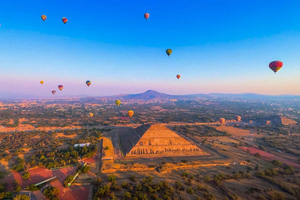
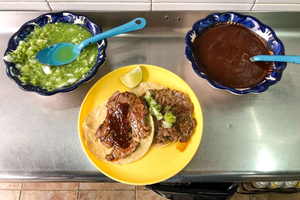
If you want to feel Mexico’s soul, cultural tours are the way to go. They’re not just about seeing the big archaeological sites like Teotihuacán or Chichen Itza , though those are incredible, too , it’s about how you experience them. I remember a morning wandering the canals of Xochimilco with a guide who didn’t just point out sights but told stories of the floating gardens and local legends. And the best part? You can taste real pulque or street snacks that don’t usually end up on tourist menus.
In Oaxaca, a cultural tour will often include visits to artisanal workshops where mezcal is crafted in methods unchanged for centuries, or a stop in markets where indigenous languages echo over stalls selling handwoven textiles and mole paste. Try to schedule your trip around local fiestas or markets , those are when the culture really pops. And here’s a tip: take a small notebook or your phone to jot down or record the phrases you hear in Nahuatl or Zapotec, it’s a small way to connect deeper. Trust me, cultural tours in Mexico aren’t just something to do; they’re something to live.

🌍 Part of the My Guide Network180+ destinations worldwide
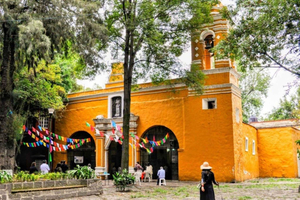
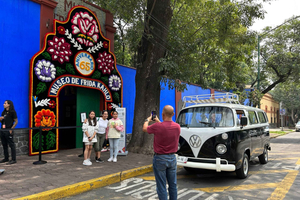
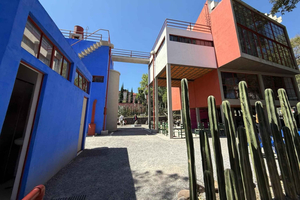
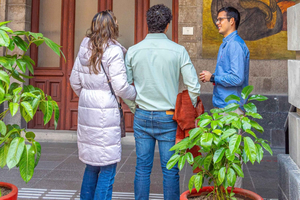
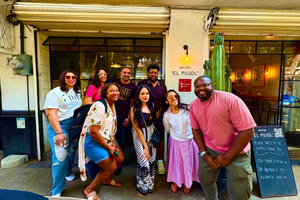
If you’re aiming to truly soak up Mexican culture, skip the big group tours and try smaller, family-run guides. In Mexico City, for example, a friend of mine runs a personal tour through Coyoacán that lets you visit artisan shops, local murals, and tiny cafés, all in one afternoon.
Another quick tip: in Yucatán, combine your cultural tour with a visit to a cenote that locals use , some aren’t on maps, so ask your guide for a less-touristy spot. It’s a cool way to combine history and nature without the crowds.
Frequently Asked Questions
Here are some answers to common questions about cultural tours in Mexico.
Yes, most tours, especially around Mexico City, Oaxaca, and Yucatán, offer English guides. But if you want a more personalized experience, hiring a bilingual local can add great stories and insights you won’t find in guidebooks.
Honestly, I find spring or late fall the sweetest. It’s cooler, less crowded, and local festivals like Day of the Dead in November really bring the culture alive, especially in places like Michoacán or Oaxaca.
Absolutely, but it’s important to choose tours that respect local traditions and people. For instance, communities around San Cristóbal de las Casas welcome visitors with open arms if you book through community-based programs.
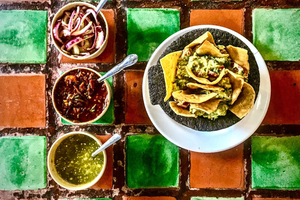
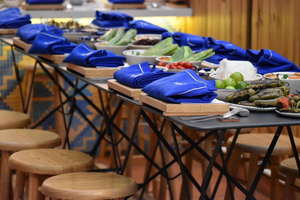
Often they do, yes! Many tours in Mexico City or Oaxaca include stops at street food stalls or local markets so you can try real tacos al pastor, tlayudas, or fresh chapulines (grasshoppers) if you’re feeling adventurous.
Some spots, like Chichen Itza, can get crowded mid-day, especially in high season. Early morning tours are much calmer and the light is fantastic for photos too.