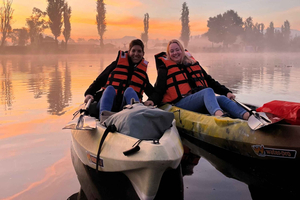
If you’re craving a break from cities and beaches, Mexico has some incredible spots where nature really grabs your attention. Think about the mangroves of Sian Ka’an near Tulum, where you can paddle silently while spotting crocodiles and herons, or the monarch butterfly reserves in Michoacán during winter, a phenomenon that feels straight out of a storybook.
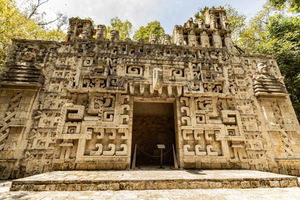
Don’t miss the chance to visit the Grey Whale sanctuary in Baja California between January and March. Watching these massive creatures breach just a few meters away from small boats is something few places on earth can match. And if you’re up for something different, the jungle around Palenque has not only Mayan ruins but also howler monkeys and toucans calling out in the early morning.
Here’s a local tip: bring binoculars in spring when bird migrations paint the skies, especially near Lake Catemaco in Veracruz. The guides you find in smaller towns tend to know the most secret spots. Avoid big group tours if you want a more personal experience , sometimes the quiet moments in nature are the best memories. Mexico’s outdoors aren’t just backdrops, they’re full of life, waiting for you to explore.
🌍 Part of the My Guide Network180+ destinations worldwide
If you love birds, I’d recommend a trip to Laguna de Términos in Campeche before the summer rains. The boat tours are less touristy and you can spot jabirus and roseate spoonbills without the crowds you get in more famous spots.
Also, try to book tours with smaller local companies. I once joined a guide from a village near Sumidero Canyon who took us to hidden viewpoints and told stories about local wildlife that you won’t hear anywhere else. Small details like knowing where the ocelot dens or spider monkey hangouts are make all the difference.
Frequently Asked Questions
Got questions about safari and nature tours in Mexico? Here’s what you want to know.
If you want to catch grey whales up close, head to Baja California from late January through March. The whales migrate then and it's the best chance to see mothers with calves in calm lagoons like San Ignacio.
Most reputable tours focus on respecting wildlife and the environment. Just look for operators who limit group sizes and avoid disturbing animals. I always check if guides are certified or local community members.
Jaguars are incredibly elusive and mostly active at night, but some tours in Calakmul Biosphere Reserve offer night drives hoping to catch a glimpse. Don't expect a guarantee though, it’s more about the jungle experience.
Comfortable shoes, mosquito repellent, a hat, and lightweight long sleeves for sun and insect protection are musts. Binoculars help a ton for birdwatching and spotting distant animals.
Head to the mountain reserves in Michoacán, especially around Angangueo, from late October to March. The trees literally glow orange with thousands of butterflies clustering there,I still get chills seeing it.