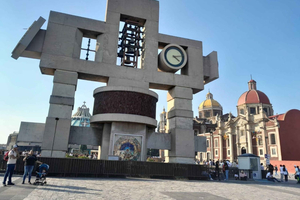
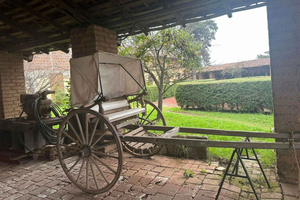
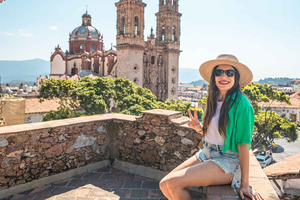
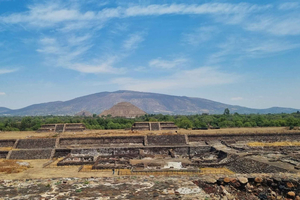
If you’re in Mexico and love history, you’re in for a treat. The country’s landscape is dotted with landmarks that tell stories from ancient civilizations like the Maya and Aztecs, all the way to colonial cities where Spanish influence mixed with indigenous culture.
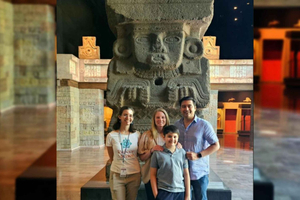
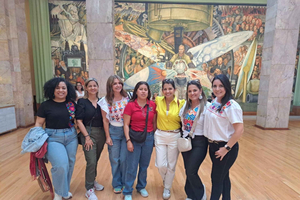
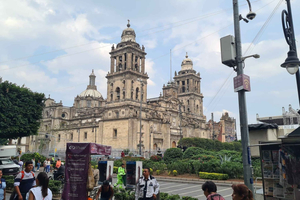
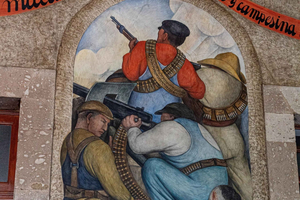
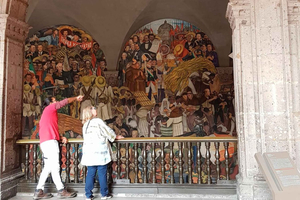
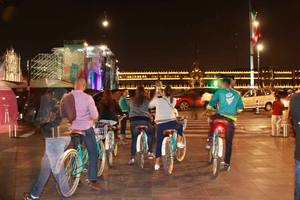
Take a walk through Mexico City’s historic center and you’ll see the Palacio de Bellas Artes with its bright murals and the Zócalo, one of the biggest plazas in Latin America. Or, if you head south, the ruins of Palenque in Chiapas offer a mix of jungle and stone temples that feel almost otherworldly. And don’t miss the lesser-known town of Real de Catorce in San Luis Potosí, a former mining hub that’s still frozen in time.
Here’s a local tip: visit the landmarks early in the morning or late afternoon to avoid the crowds and catch the best light for photos. Also, chatting with local guides can reveal quirks you won’t find in guidebooks, like how the aqueducts of Morelia were built by indigenous workers under colonial rule. Mexico’s history isn’t just in books or museums; it’s alive in its landmarks, waiting for you to explore.
🌍 Part of the My Guide Network180+ destinations worldwide
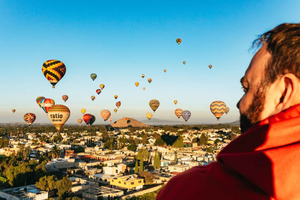
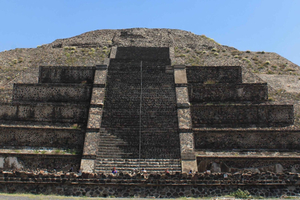
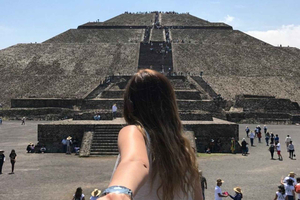
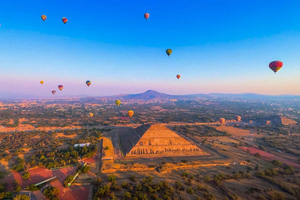
Planning to visit Mexico’s historical landmarks? Start your mornings early to beat the crowds and the midday heat, especially in places like Chichén Itzá or Teotihuacán. Don’t just stick to the main sites,try little towns with colonial architecture like Guanajuato or San Miguel de Allende. They spill over with stories hidden in their narrow alleyways.
And don’t underestimate chatting with locals or small-town guides; they often offer fascinating tidbits about the landmarks that never make it into guidebooks. For example, in Puebla, the mix of Spanish Baroque churches and indigenous motifs on tiles tells a complex tale of cultural fusion.
Frequently Asked Questions
Got questions about Mexico’s historic spots? Here are some answers that might help.
Absolutely. Mexico City’s historic center is a great spot to knock out several landmarks in a day. You can hit the Zócalo, Museo Nacional de Arte, and even Templo Mayor nearby without rushing too much.
I’d say the dry season, between November and April, is usually best. The weather’s nicer, fewer rains to deal with. Summer can get really hot and humid, especially in places like the Yucatán.
You don’t have to have one, but they definitely add depth. Some sites like Teotihuacán or Monte Albán make way more sense with a guide who can explain the backstory and spot details you’d miss.
Definitely give Real de Catorce a shot if you want something different,old mining town vibes with cobblestone streets and surreal desert views. Or check out the ruins at Calakmul deep in the jungles of Campeche.
Most historical sites are safe during the day, especially popular ones. Just stick to normal precautions,keep your belongings close and avoid traveling alone late at night around bigger cities.
Not really. Most places charge a modest fee, usually under 100 pesos. Some don’t even charge on Sundays if you’re a resident or student, so check local rules,it can save you a few bucks.