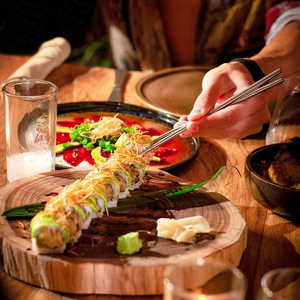
Korean food in Mexico has come a long way since the first wave of Korean immigrants started settling here in places like Mexico City’s Hipódromo and Tlalpan neighborhoods. You won’t just find the usual kimchi and bulgogi; many spots blend local ingredients with classic Korean flavors, giving you a unique taste.
If you’re craving authentic Korean barbecue, try ‘‘Korea House’’ in Colonia Condesa , it’s a local favorite with great marinated short ribs and a buzzing atmosphere. But don’t sleep on the smaller mom-and-pop spots in Zona Rosa or even some off-the-beaten-path taquerias experimenting with kimchi quesadillas (yes, that’s a thing here). The seafood ones near the coast get creative, mixing soy and chili with fresh catch from the Gulf or Pacific.
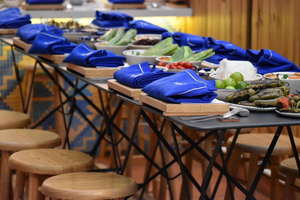
Bonus tip: walk in hungry, because you won’t want to skip any of the side dishes, or banchan, that come with your meal , they often change by the season, showcasing what’s freshest. Also, many Korean places in Mexico roast their own peppers to add a uniquely smoky kick you won’t find back in Seoul. It’s a culinary blend born from two cultures meeting, and it’s delicious.
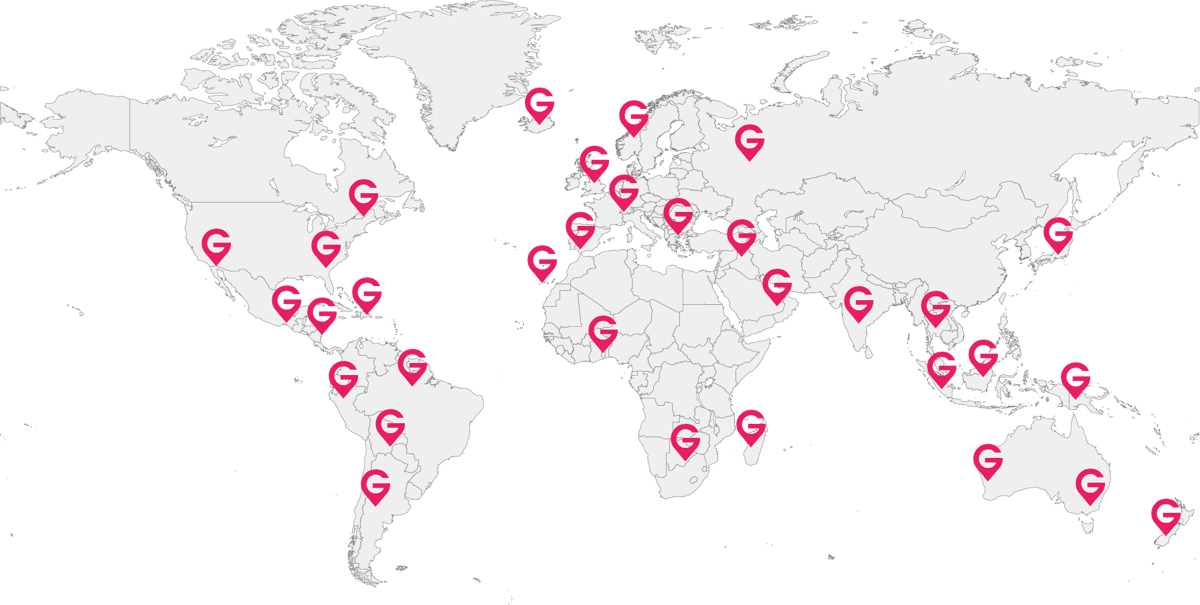
🌍 Part of the My Guide Network180+ destinations worldwide
If you’re in Mexico City and want authentic Korean without the crowds, hit up the small eateries in the Tlalpan area. They’re often family-run and offer specials that don’t make it to Condesa menus. Always try the banchan because they’ll vary by season and cook’s mood. I once had a radish kimchi with a hint of tamarind there, which you definitely don’t see in Korean spots elsewhere.
And if you’re visiting coastal towns like Veracruz or Puerto Vallarta, look for Korean places that mix fresh seafood with Korean marinades,it’s a tasty twist from the mainland experience. Just don’t forget to ask for their gochujang blend; some use local chilies that add a fresh kind of heat.
Frequently Asked Questions
Got questions about Korean food in Mexico? Here are a few things you might want to know.
Honestly, ‘‘Korea House’’ in Condesa stands out for its marinated meats and lively vibe. It’s popular with locals who know their Korean food. If you want something less touristy, look for places in Zona Rosa where families often go,those spots tend to be more affordable and authentic.
They’re usually pretty reasonable, especially compared to other international cuisines here. Many places give you plenty of food and handle the side dishes generously. If you opt for barbecue, expect to pay a bit more, but it’s still not out of reach if you avoid the super fancy joints.
Not really. Most Korean restaurants serve several vegetable-based dishes,think japchae noodles or kimchi pancakes without meat. Just double check since some kimchi includes fish sauce, but places in Mexico City’s Roma and Condesa neighborhoods often cater to vegans pretty well.
Absolutely, and some go a step further by mixing Mexican spirits with traditional Korean drinks. Soju is common, but you might also find makgeolli, a rice wine that pairs nicely with spicy food. Pro tip: ask locals or staff for recommendations on which drinks to try with certain dishes.
They can be. You’ll notice some dishes are a bit milder or incorporate local chiles and ingredients. Like, some chefs add a touch of mole or even swap out typical Korean sides with staples like roasted corn. It’s not fusion for fusion’s sake,it’s born from years of two cultures living side by side.