Tulum Archaeological Zone
Quintana Roo, Mexico
History & Culture
Tulum is one of Quintana Roo's most important archeological zones, as it is the sole site on the Caribbean Sea. It used to have the name Zamá, which meant daybreak, in ancient times. Its present name, Tulum meaning 'enclosure or wall'.
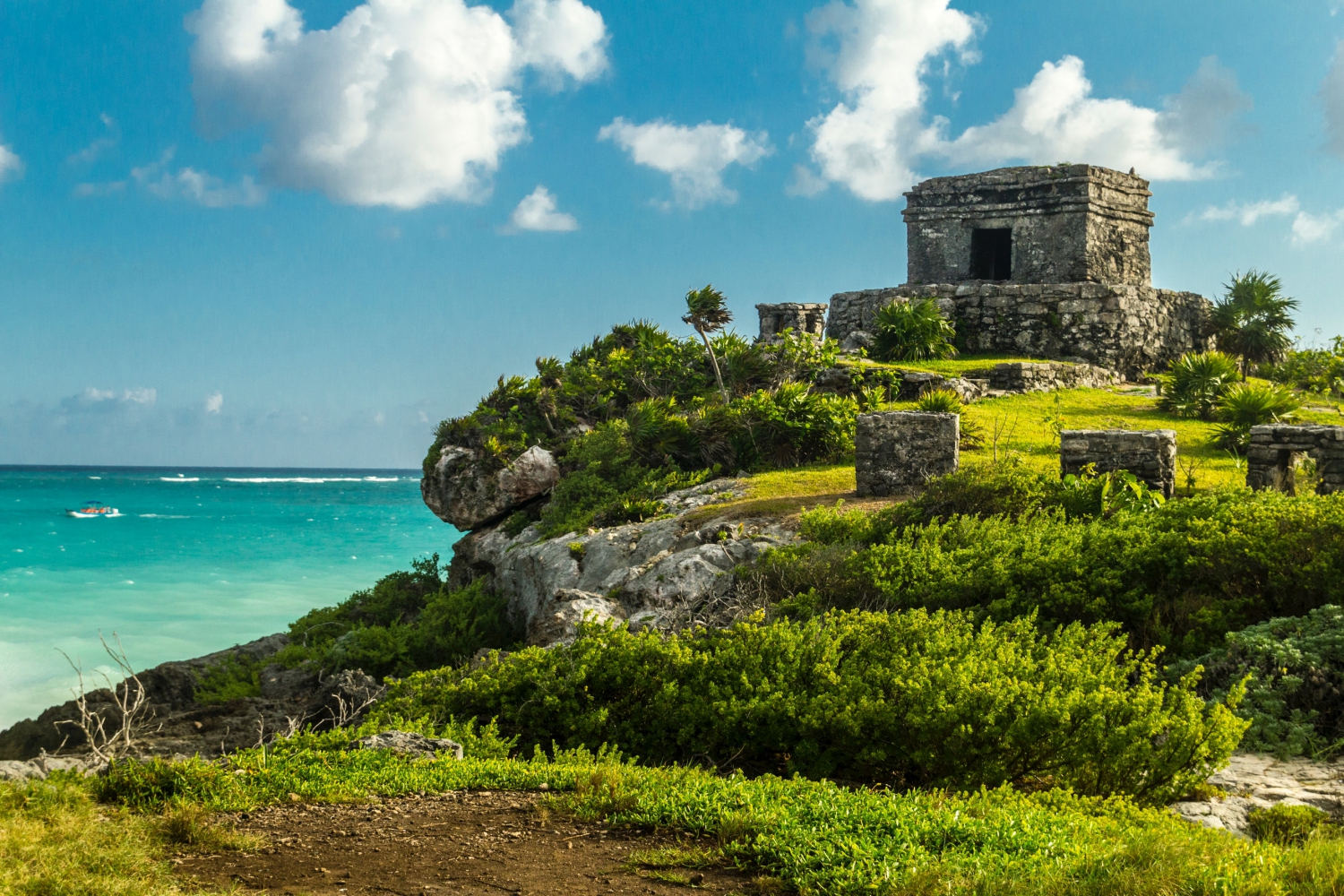
This town was the principal focus of the area's marine and land business for the Mayans. Today anyone visiting ends up fascinating. It was built on a cliff that shows all the grandeur of the turquoise tones of the Caribbean Sea.
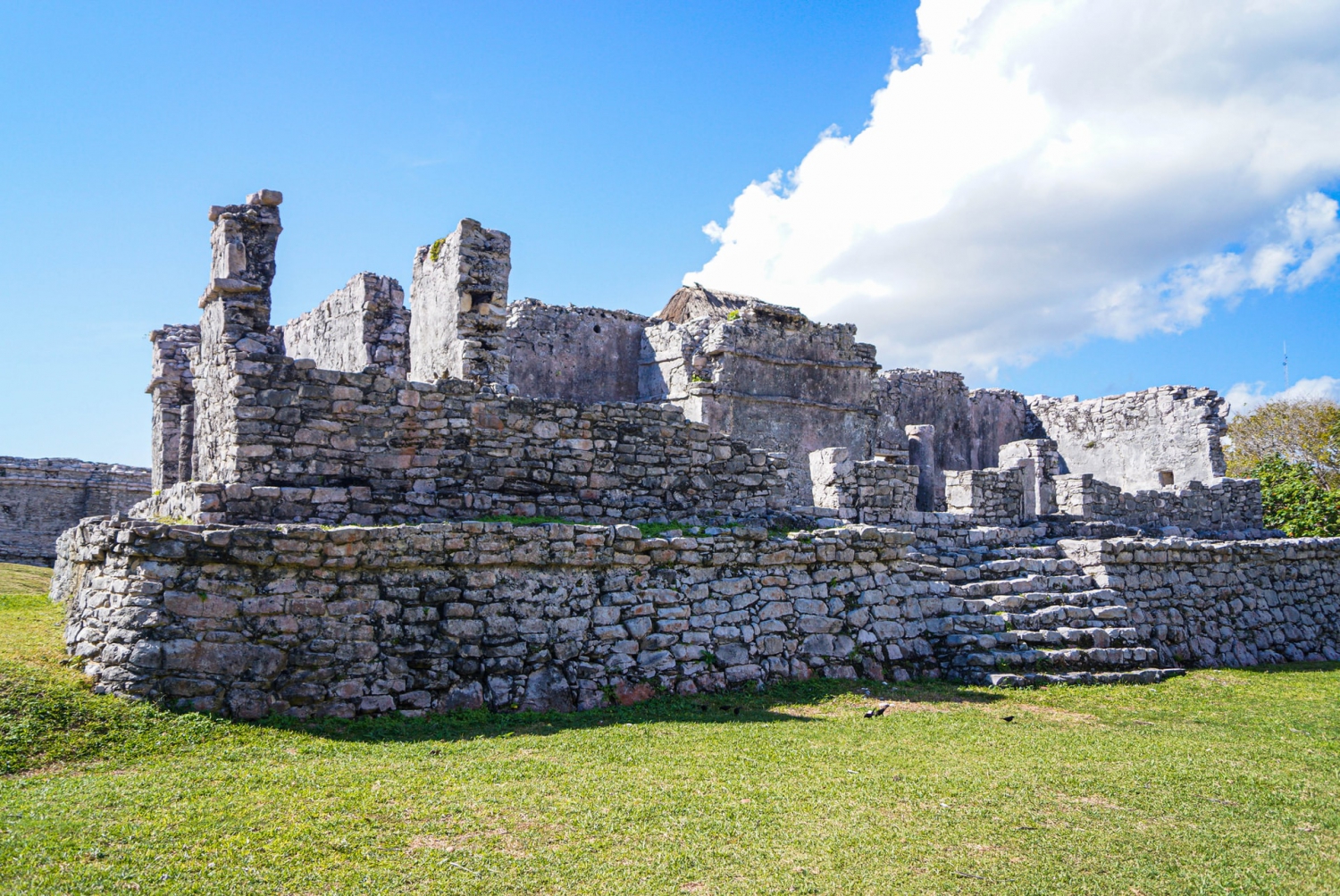
The Mayan city is encircled by walls, each with its own elements: earth, water, air, and fire. The fourth wall is the reef in front of the shoreline, making Tulum almost inaccessible at the time.
El Castillo is the principal building of the archaeological zone of Tulum, the most-pictured site on the Mayan Riviera, because of its unique setting on the cliff, boasting more than 60 rebuilt temples around it.
This town was the principal focus of the area's marine and land business for the Mayans. Today anyone visiting ends up fascinating. It was built on a cliff that shows all the grandeur of the turquoise tones of the Caribbean Sea.
The Mayan city is encircled by walls, each with its own elements: earth, water, air, and fire. The fourth wall is the reef in front of the shoreline, making Tulum almost inaccessible at the time.
El Castillo is the principal building of the archaeological zone of Tulum, the most-pictured site on the Mayan Riviera, because of its unique setting on the cliff, boasting more than 60 rebuilt temples around it.